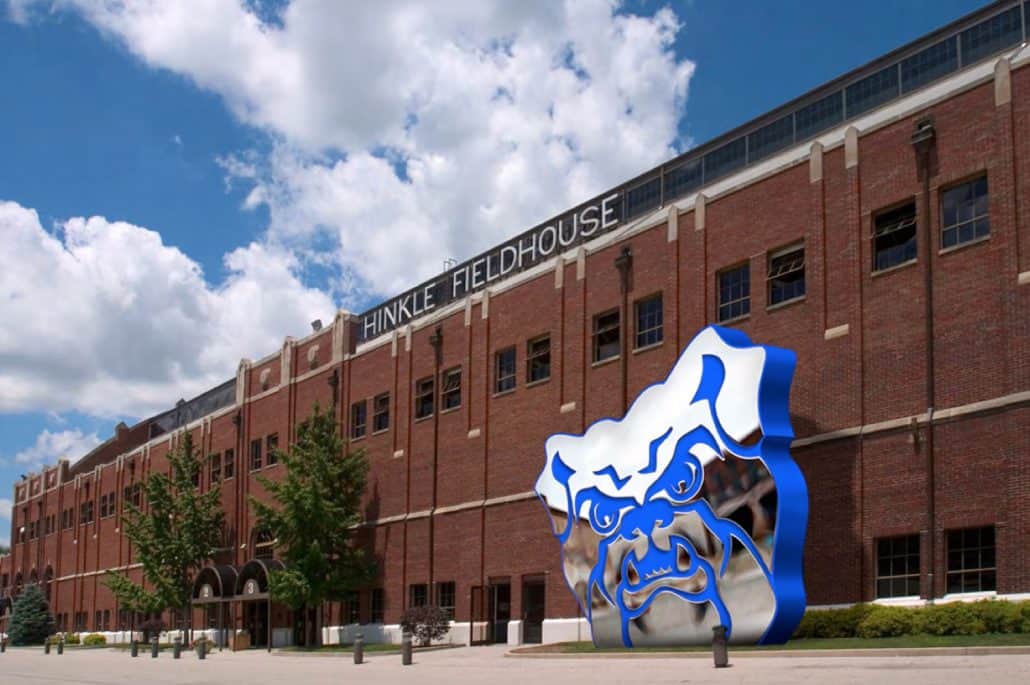
Every city has a corner nobody remembers and a corner nobody forgets. The difference rarely comes down to budget or square footage. It comes down to whether the space was designed to be experienced, not just passed through.
That’s the core idea behind placemaking, and it’s a discipline Signworks has spent more than three decades bringing to life through environmental graphic design, wayfinding, and community signage.
Understanding what placemaking signage actually means, and how it shows up in real projects, starts with a clear definition of the concept itself.
At a Glance
- Placemaking is a collaborative approach to shaping public spaces around the people who use them, not just their physical layout.
- Signage and environmental graphic design translate the intent behind placemaking into something visible, navigable, and memorable.
- Municipal entries, campus environments, and mixed-use developments are common settings where placemaking signage plays a defining role.
- Public art, lighting, and wayfinding often work together as part of a single placemaking strategy rather than as separate elements.
- Strong placemaking signage reflects the culture and identity of a community, not a generic design template.
- Signworks works with cities, developers, universities, and architects to carry a placemaking vision from concept through fabrication and installation.
What is Placemaking
Placemaking is a collaborative approach to designing and managing public spaces that puts people, not just physical structures, at the center of the process. Rather than treating a plaza, campus, or city entrance as a purely functional space, placemaking asks what would make people want to be there.
According to Project for Public Spaces, placemaking strengthens the connection between people and the places they share by shaping the public realm to maximize shared value.
This means placemaking looks beyond how a space functions to how it feels. It considers the physical, cultural, and social identity of a location, and it treats residents and visitors as active participants in shaping that identity rather than passive users of a finished design.
How Signage Plays a Role in Placemaking
Placemaking is a concept. Signage and environmental graphic design are often how that concept becomes something people can actually see, read, and navigate. A gateway sign at a city entrance, a wayfinding system across a college campus, or a branded monument at a mixed-use development all do more than direct traffic. They set a tone, signal identity, and give a place its first impression.
Signage that supports placemaking typically works to:
- Welcome people into a space and orient them within it
- Reflect the history, culture, or character of the community it serves
- Create visual continuity across a district, campus, or development
- Turn a functional necessity, like directional signage, into an experience
Where Placemaking Signage Comes to Life
Placemaking signage shows up across a range of project types, each with its own audience and priorities. Three of the most common are municipal entries, campus environments, and mixed-use developments.
Municipal Entries and Public Spaces
City and county entry signage is often a resident’s or visitor’s first physical encounter with a place. Done well, it does more than announce a name. Thoughtful municipality signage can incorporate local landmarks, materials, or artwork that reflect what makes a community distinct, helping a gateway sign, plaza marker, or downtown wayfinding system feel like an extension of the place itself rather than a generic directional fixture.
Campus Environments
Universities and school districts rely on wayfinding and identity signage to help students, staff, and visitors move confidently through often sprawling environments. Beyond function, campus signage plays a role in reinforcing school pride and creating a sense of arrival at key entry points, quads, and athletic facilities.
Mixed-Use Developments
Mixed-use developments blend retail, residential, and often hospitality spaces into a single environment, which makes cohesive signage especially important. A unified system of monument signs, tenant directories, and branded wayfinding helps a development read as a single, intentional place rather than a collection of unrelated buildings.
‘The projects that stick with people aren’t the ones with the biggest sign. They’re the ones where you walk in and immediately know where you are, whose community it is, and that someone actually thought about how you’d feel standing there. That’s what we’re solving for before we ever get to materials or fabrication.’
– Name, Role
Environmental Graphic Design and Public Art
Environmental graphic design is the practice of using visual elements such as signage, murals, lighting, and architectural graphics to communicate identity and information within a physical space. Alongside public art, it is one of the primary tools placemaking uses to give a space personality.
Public art installations, whether a sculpture at a plaza entrance or a mural along a wayfinding route, often work in tandem with signage rather than as a separate feature. Lighting, wall treatments, and landscape architecture can extend this same identity throughout a site, creating a consistent experience from entry to destination.
Building Community Identity Through Signage
The most effective placemaking signage is specific to the community it represents. Generic wayfinding can direct people from point A to point B, but signage rooted in placemaking principles reflects the history, values, and character that make a city, campus, or development distinct. That distinction is often what turns a functional space into a place people choose to spend time in.
Frequently Asked Questions
Placemaking aims to shape public spaces around the people who use them, strengthening the connection between a community and the places it shares rather than focusing solely on physical design or function.
Wayfinding refers specifically to how people navigate a space, while placemaking is the broader strategy of shaping a space’s identity and experience. Wayfinding signage is often one of the tools used to support a larger placemaking approach.
Municipal entries, campus environments, mixed-use developments, parks, and downtown districts all commonly use placemaking signage to reinforce identity and improve the visitor experience.
Yes. Public art installations are frequently used alongside signage, lighting, and landscape design as part of a cohesive placemaking approach.
Signage that reflects local history, culture, or design character helps a space feel distinct and intentional, rather than generic, which is a central goal of placemaking.
Ready to Bring Your Community’s Identity to Life?
Whether you are planning a city entryway, a campus wayfinding system, or a mixed-use development, placemaking signage can help set the tone for how people experience your space.
The team at Signworks works with cities, developers, universities, and architects to carry a placemaking vision from concept through fabrication and installation. Get in touch to talk through your next project.